Many parents report that their kids wake them in the middle of the night complaining of limb pain. The idea behind these “growing pains” makes sense: as the theory goes, the process of bone elongation can trigger aches and pains in young children who are growing rapidly. According to our orthopedic doctors at Southeast Orthopedic Specialists, however, the scientific research does not support the idea that kids’ “growing pains” are truly due to body growth. (more…)
Many parents report that their kids wake them in the middle of the night complaining of limb pain. The idea behind these “growing pains” makes sense: as the theory goes, the process of bone elongation can trigger aches and pains in young children who are growing rapidly. According to our orthopedic doctors at Southeast Orthopedic Specialists, however, the scientific research does not support the idea that kids’ “growing pains” are truly due to body growth.
What Are “Growing Pains?”
Growing pains are more than just parental anecdotes; they are a well-documented condition of childhood. Typically, growing pains occur between 4 and 12 years of age, declining during adolescence.
Despite this, pediatric specialists say that there is no medical explanation for actual growth triggering pain. Doctors refer to the condition as “non-specific limb pains of childhood.” Perhaps 1 in 5 children suffer from this limb pain. Typically, children wake up in the night complaining of pain in both legs. Parents may massage the limbs or provide over-the-counter medications to ease the pain. Eventually, the pains just go away.
Unfortunately, doctors still do not understand exactly what causes these “growing pains.” One theory is that the pain may be similar to the type of pain experienced with shin splints. For example, children who are particularly active or have recently been more active than usual may put more stress on their muscles and tendons. This could contribute to non-specific pain of the limbs. Another theory is that children who report growing pains may simply be more sensitive to pain than other children. Thus, the normal aches and pains of daily activities could affect them more.
When to Visit a Doctor Because of Kids’ Growing Pains
In general, kids’ growing pains are nothing to worry about. There is no evidence that experiencing growing pains will lead to poorer outcomes in adulthood or somehow affect your child’s development. However, if your child is consistently complaining of limb pain, it could be a sign of a more serious problem. Visit a doctor if your child reports the following problems:
- Pain during the day
- Pain in just one leg
- Redness on the limbs
- A limb that feels warm to the touch
- Pain that is severe and does not go away
If your child is experiencing persistent aches and pains, there may be an alternative medical explanation than simply “growing pains.” Our specialists at Southeast Orthopedic Specialists can help you identify the problem at the root of these growing pains, helping your child get back to a pain-free life.
How to Choose the Right Running Shoes
One of the biggest mistakes new runners make is failing to invest in proper equipment. While it’s true that running is an inexpensive sport — all you need is some footwear and the great outdoors — it’s essential to choose the right running shoes. Jacksonville orthopedic specialists recommend getting personalized recommendations and then visiting a local running store to achieve the best fit. (more…)
Common Orthopedic Conditions in Children
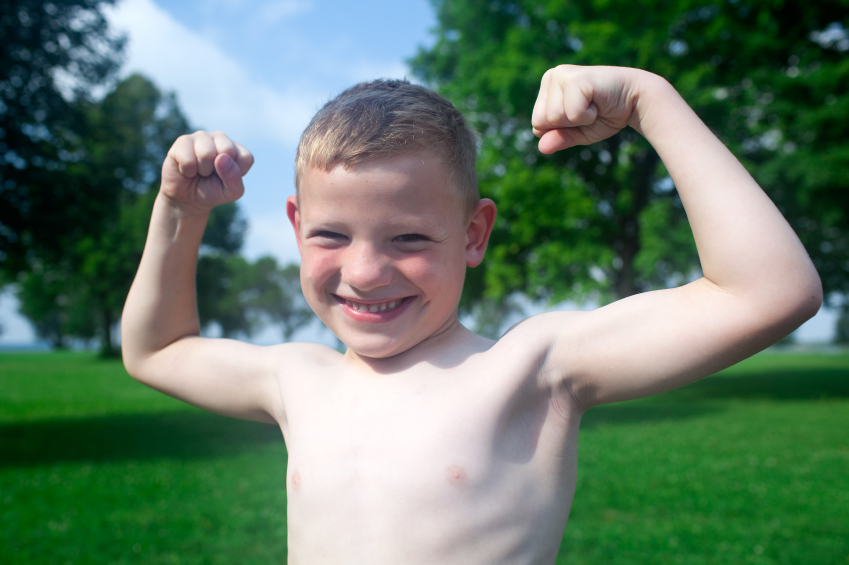
When you think of orthopedic issues, most think of concerns that develop with age—such as arthritis from osteoporosis, or overuse injuries that leave you with back, hip, shoulder or knee pain. But not all orthopedic injuries develop later in life. In some situations, even young children are exposed to chronic pain as a result of orthopedic conditions. While rare, these orthopedic conditions can interfere with proper development and may even impede bone growth. (more…)
Concussion Signs and Symptoms: When Should You Go to a Doctor?
Knowing how to identify and prepare yourself for injuries, including how to identify the need for medical help, is an essential life skill that too many people overlook. During this time of the year, football is in full swing, so at Southeast Orthopedic Specialists, we want to educate people on the signs and symptoms of concussions. (more…)
Why You Need Physical Therapy After Surgery
Undergoing surgery is always a big deal. It doesn’t matter how many injuries you’ve experienced in your life, or how many times you have to undergo the knife — the task of recovering from surgery never gets easier. This is because having surgery makes you completely rethink how you can use your own body. During the recovery period you are forced to stop using some portion of your body. When it comes to surgery on joints, such as the knees, hips, shoulders or ankles, this can be a painful, debilitating and frustrating process. For many who undergo surgery for injury repair, it means going from living an active lifestyle to staying bedridden or immobilized for weeks! (more…)
Common Orthopedic Conditions in the Elderly
There are nearly 45 million people over the age of 65 in the United States, and that figure is expected to rise to 98 million by 2060. This rapidly aging population and biological changes to older adults’ bodies mean that orthopedic injuries are increasingly common. Visiting an orthopedic doctor can help older individuals get the treatment they need. (more…)
Crossfit: Safe or Not?
There’s a lot to like about CrossFit. It packs a big-time workout into a short timespan, and it uses interval training along with weights. That means CrossFitters get fit while building muscle.
It’s super popular these days – thousands upon thousands of diehards have adopted the CrossFit “lifestyle,” working out at one of 12,000 locations across the country. And it shows – CrossFitters’ physiques are decidedly superhero-esque.
But is it safe? Or are there inherent risks associated with CrossFit? It depends on who you ask.
Partial Joint Replacement
Millions of Americans suffer from joint pain, with 40 percent saying that it is “very difficult” or they are “unable” to perform common activities like stooping, bending, kneeling or walking a brief distance, according to the Centers for Disease Control and Prevention. A partial joint replacement from a Jacksonville orthopedic specialist may significantly decrease pain and improve your quality of life.
Should You Get a Bone Density Scan?
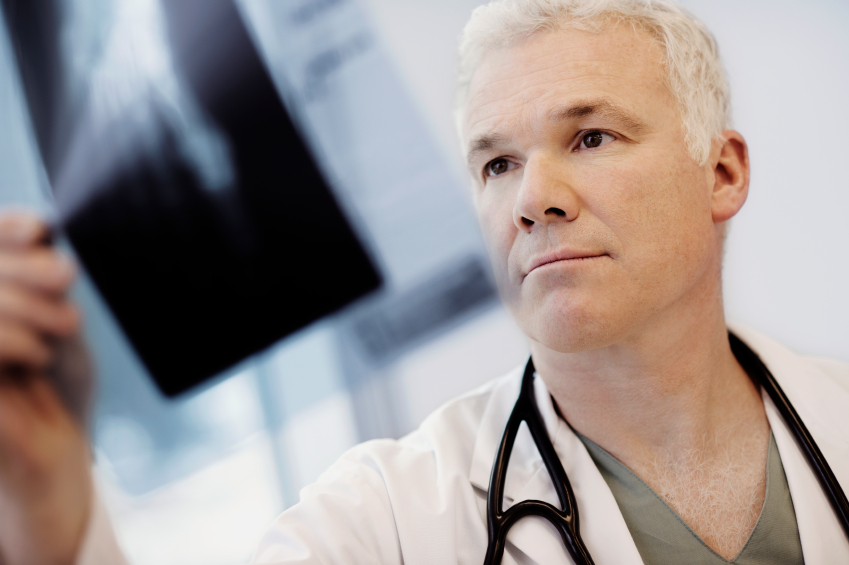
Bone density scans determine how strong your bones are and if you’re at risk for osteoporosis, a condition that makes your bones weak and more likely to break.
Bone density scans, also called bone mineral density (BMD), are noninvasive and take just a few minutes to complete. Scans can be conducted on your hips or spine using a scan called Dual Energy X-ray Absorptiometry (DEXA). It’s similar to a traditional x-ray, but your body isn’t exposed to as much radiation. A smaller device can also determine bone density using your finger, wrist or heel. Oftentimes, these devices are used at community screenings or in drugstores that offer bone density scans to patrons.
